

Dinner by Heston Blumenthal London | Where British Culinary History Meets Modern Gastronomy
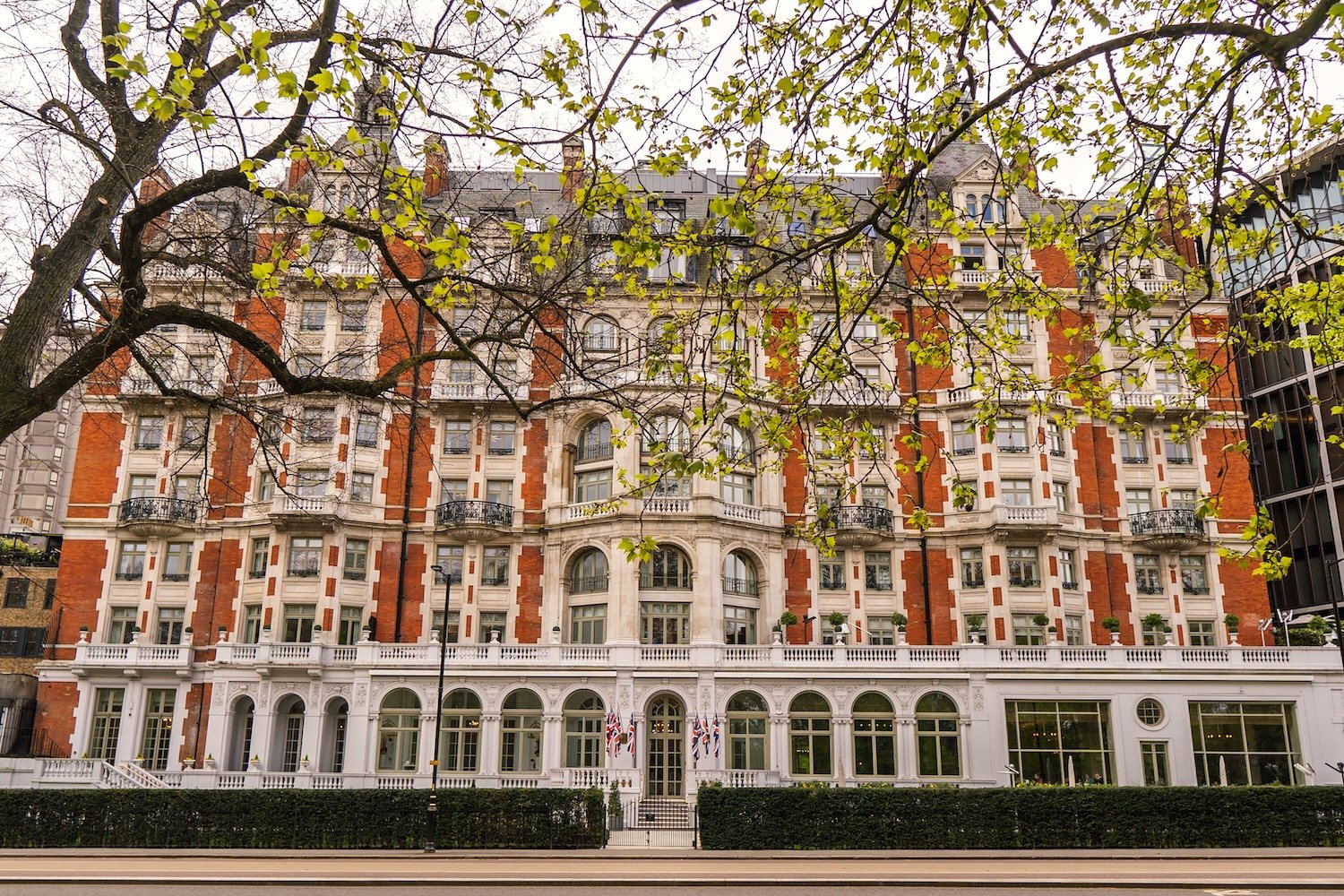
In the heart of Knightsbridge, overlooking Hyde Park, Dinner by Heston Blumenthal offers one of London’s most distinctive fine-dining experiences. Located within Mandarin Oriental Hyde Park, the two-Michelin-starred restaurant takes an unconventional route to contemporary gastronomy: instead of looking exclusively towards the future, it looks deep into Britain’s culinary past.
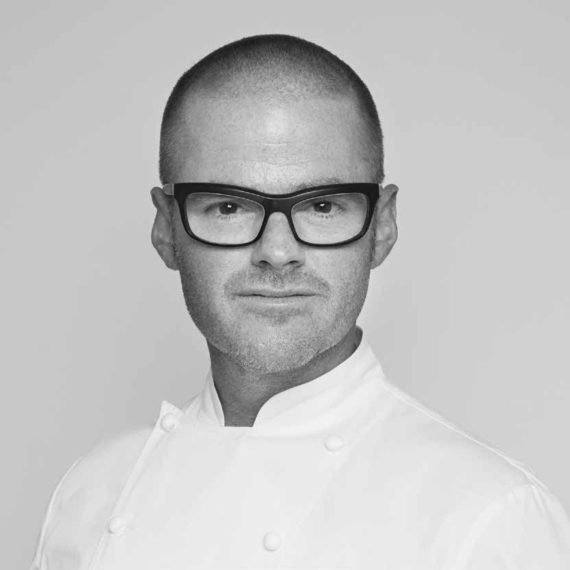
Under the creative direction of renowned chef Heston Blumenthal, Dinner explores recipes, ingredients and dining traditions that date back centuries, transforming them through modern techniques and presenting them in a way that feels playful, theatrical and distinctly contemporary.
The restaurant’s philosophy is built around a simple but fascinating idea: many of the things we consider modern culinary innovations are, in fact, rooted in Britain’s gastronomic history. Dinner brings those forgotten ideas back to the table, allowing guests to experience dishes inspired by recipes dating from as far back as the 13th century.
A Restaurant Built Around Culinary History
Dinner’s concept began with Heston Blumenthal’s fascination with historic gastronomy. His research led him through centuries of British cookbooks, royal kitchens and forgotten culinary traditions. Rather than simply recreating historic recipes, however, the kitchen asks what these dishes might look and taste like today.
This distinction is fundamental to Dinner. A recipe from centuries ago is not treated as a fixed historical artefact. Instead, it becomes a starting point for experimentation. Ingredients, techniques and ideas from the past are taken apart, refined and reconstructed using the precision of a modern fine-dining kitchen.
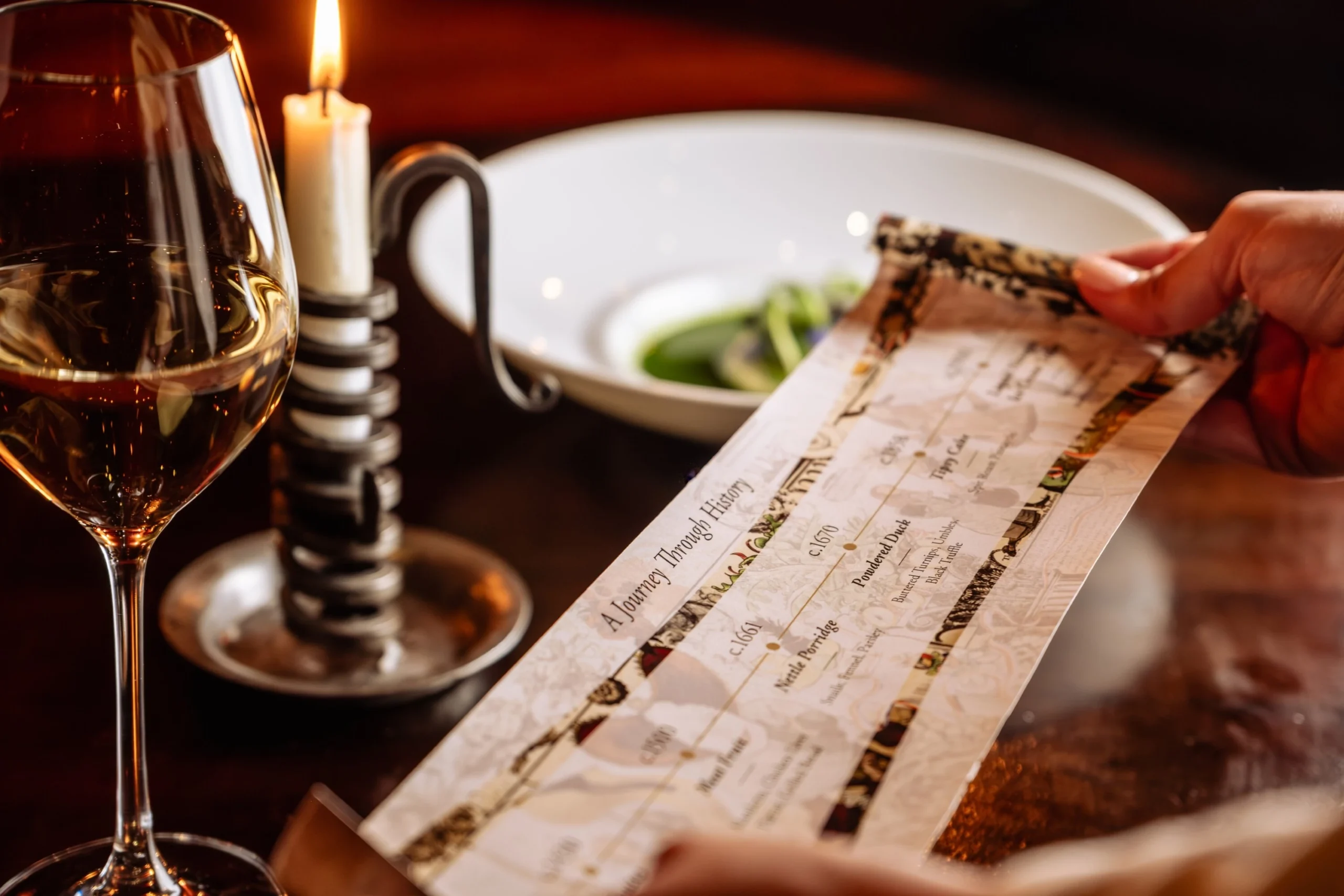
One of the charming details of the experience is the presentation of the “A Journey Through History” tasting menu itself. Rather than arriving as a conventional printed menu, it is presented to guests on a beautifully designed scroll of paper, reinforcing the restaurant’s connection to the past and setting the tone for the historical culinary journey that follows. Every dish on the menu is accompanied by the approximate year of its historical inspiration. The dates become part of the experience, creating a fascinating timeline that runs alongside the meal.
One course might take inspiration from the 16th century, another from the Georgian period and another from the Victorian era. Together, they create an edible journey through British history.
The Theatre Begins Before the First Bite
Dinner is also unmistakably a Heston Blumenthal restaurant in its sense of theatre.
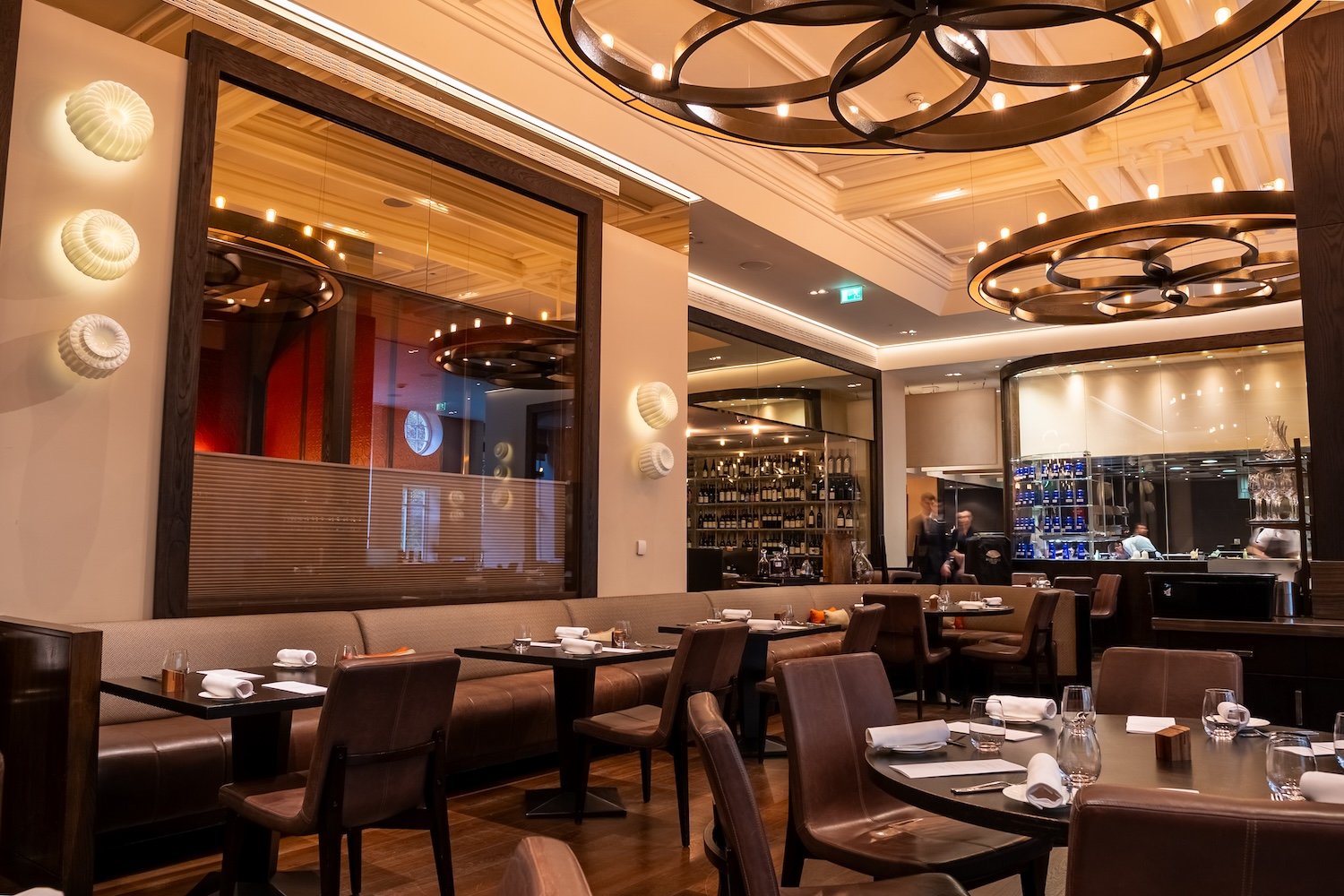
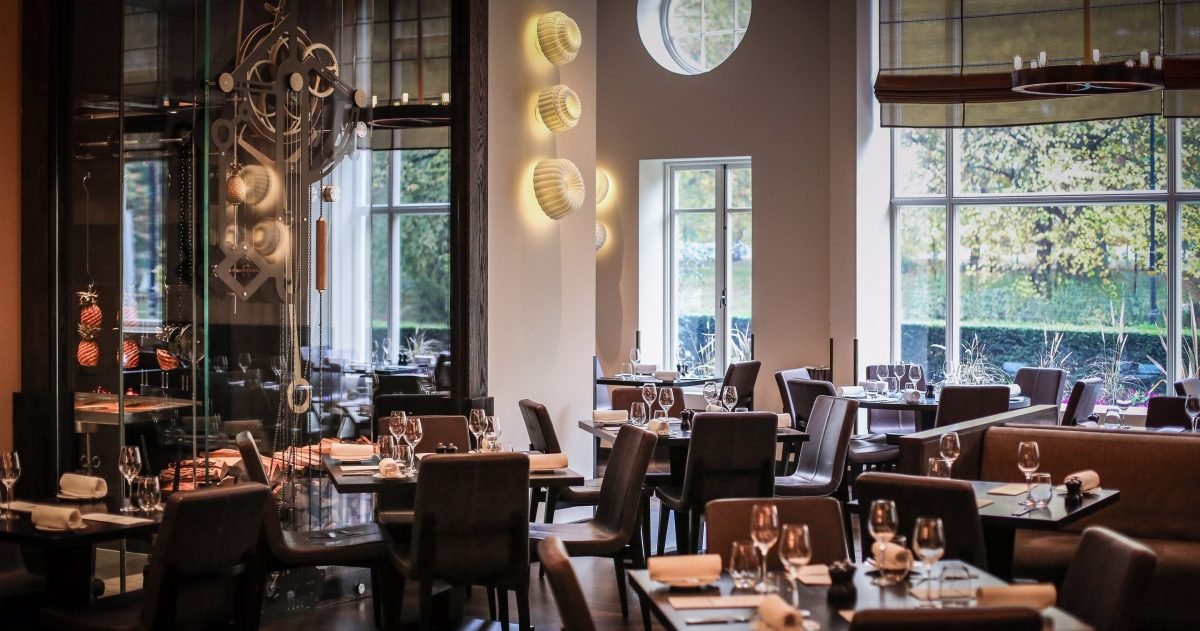
The dining room combines contemporary design with subtle references to the restaurant’s historical concept. Floor-to-ceiling glass walls provide views into the kitchen, where the choreography of the chefs becomes part of the experience. One of the restaurant’s most recognisable visual features is the pulley system used to suspend pineapples for the preparation of its famous Tipsy Cake.
There is something particularly engaging about watching the kitchen operate while knowing that the dishes being prepared have their origins in recipes written centuries ago. This balance is characteristic of Blumenthal’s approach. The surprise is often hidden within something that initially looks familiar.
The Famous Meat Fruit
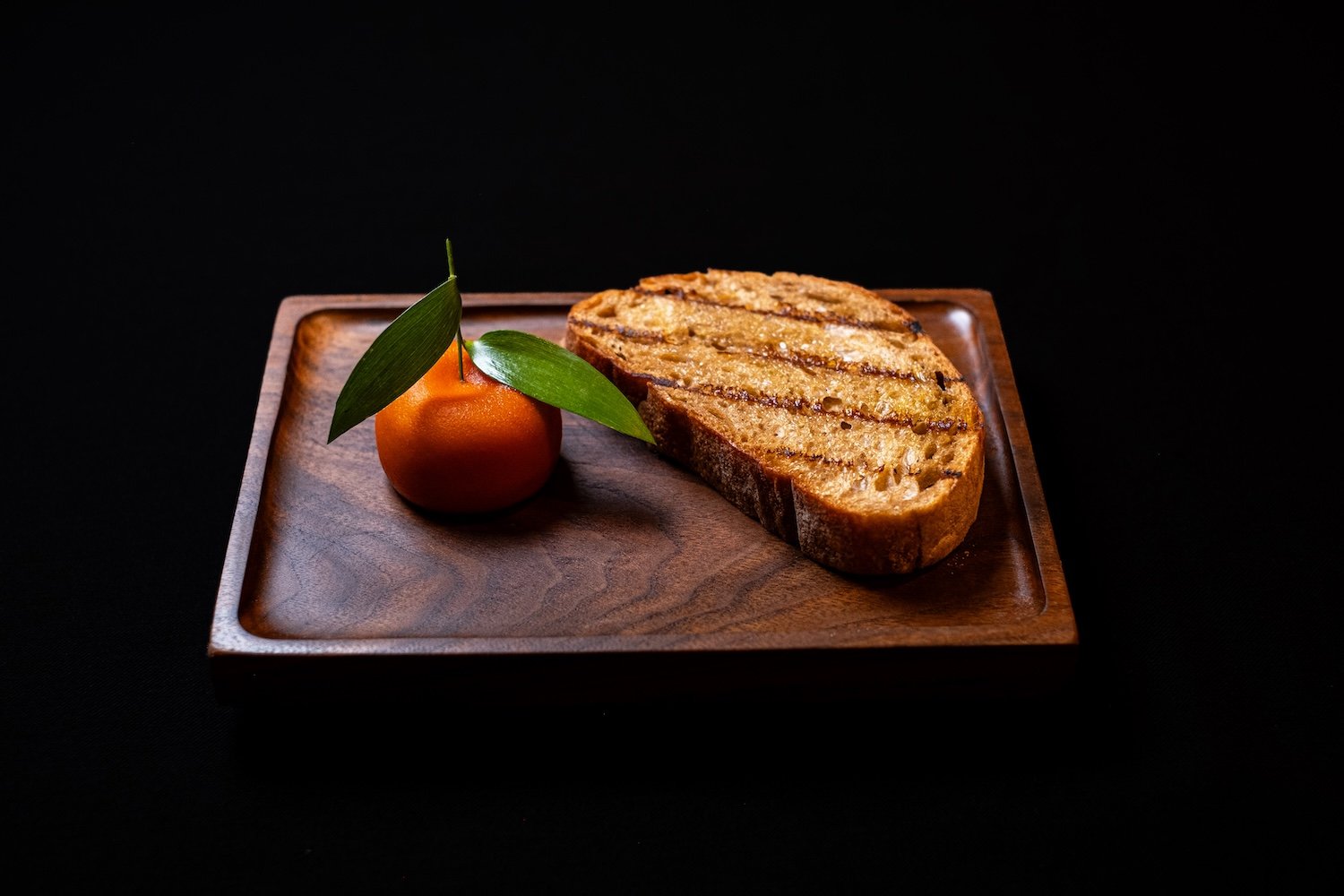
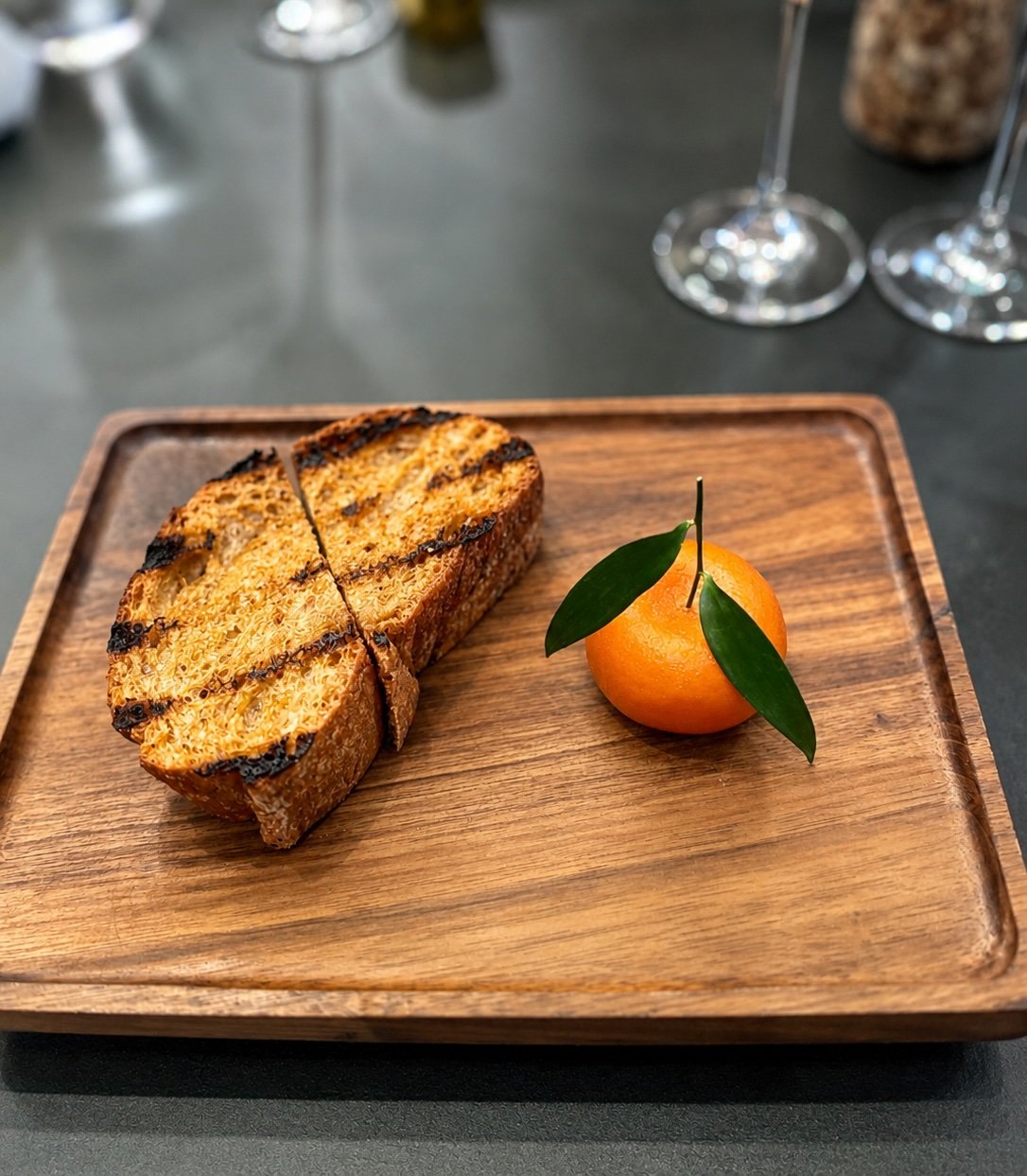
Few dishes illustrate the philosophy of Dinner better than its iconic Meat Fruit.
Inspired by a recipe dating to around 1500, the dish arrives at the table looking almost exactly like a small mandarin. The illusion is only revealed when the fruit is cut open, exposing a smooth chicken liver parfait beneath a delicate mandarin-flavoured exterior.
Beneath the trompe-l’œil presentation is a serious piece of cooking. The richness of the parfait is balanced by the bright citrus character of the exterior, turning what could have been a simple visual trick into a genuinely accomplished rich dish. Diners and reviewers consistently identify the Meat Fruit as one of Dinner’s defining creations.
It also captures one of the restaurant’s central ideas: food can surprise you without sacrificing flavour.
From Historic Recipes to the Modern Table
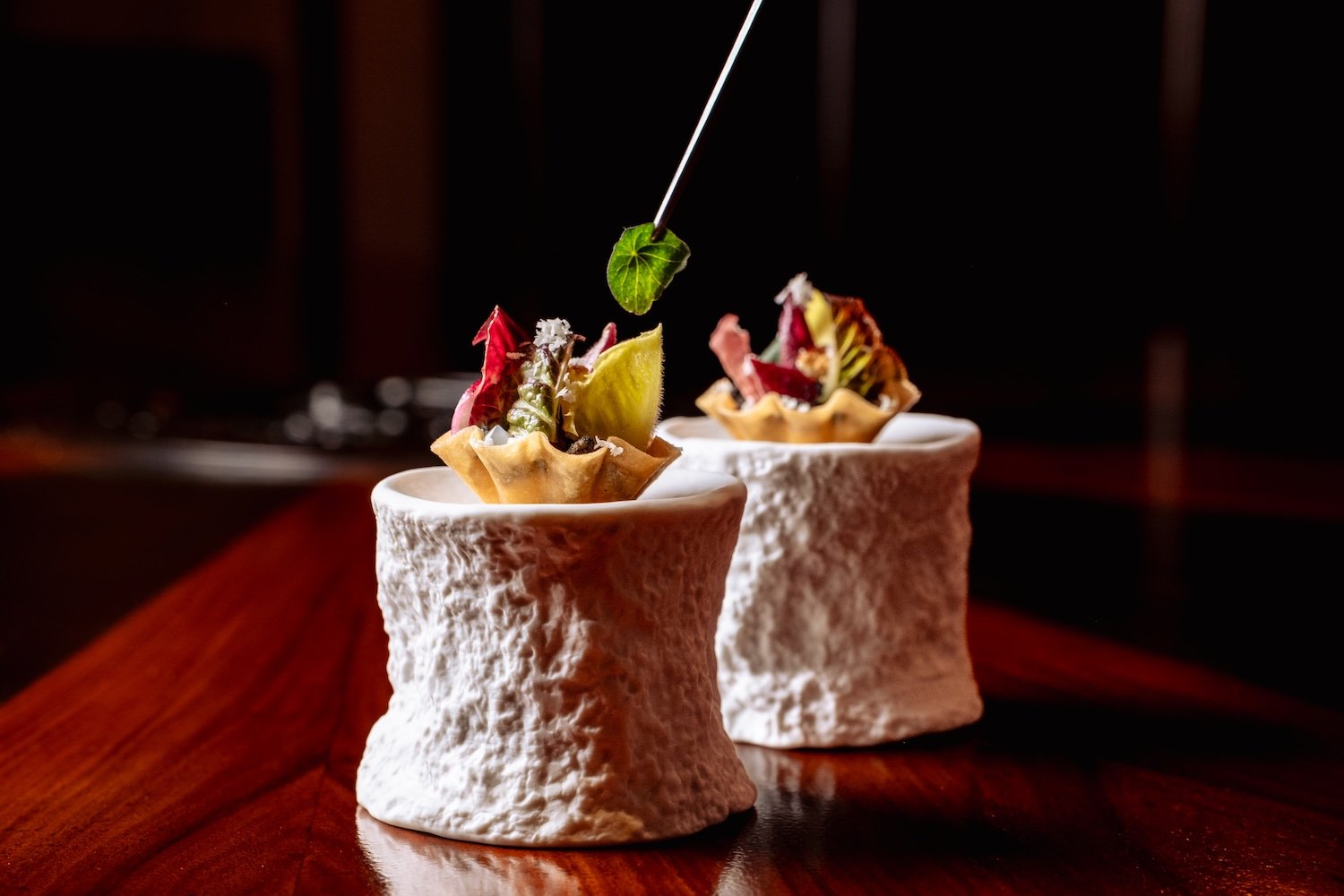
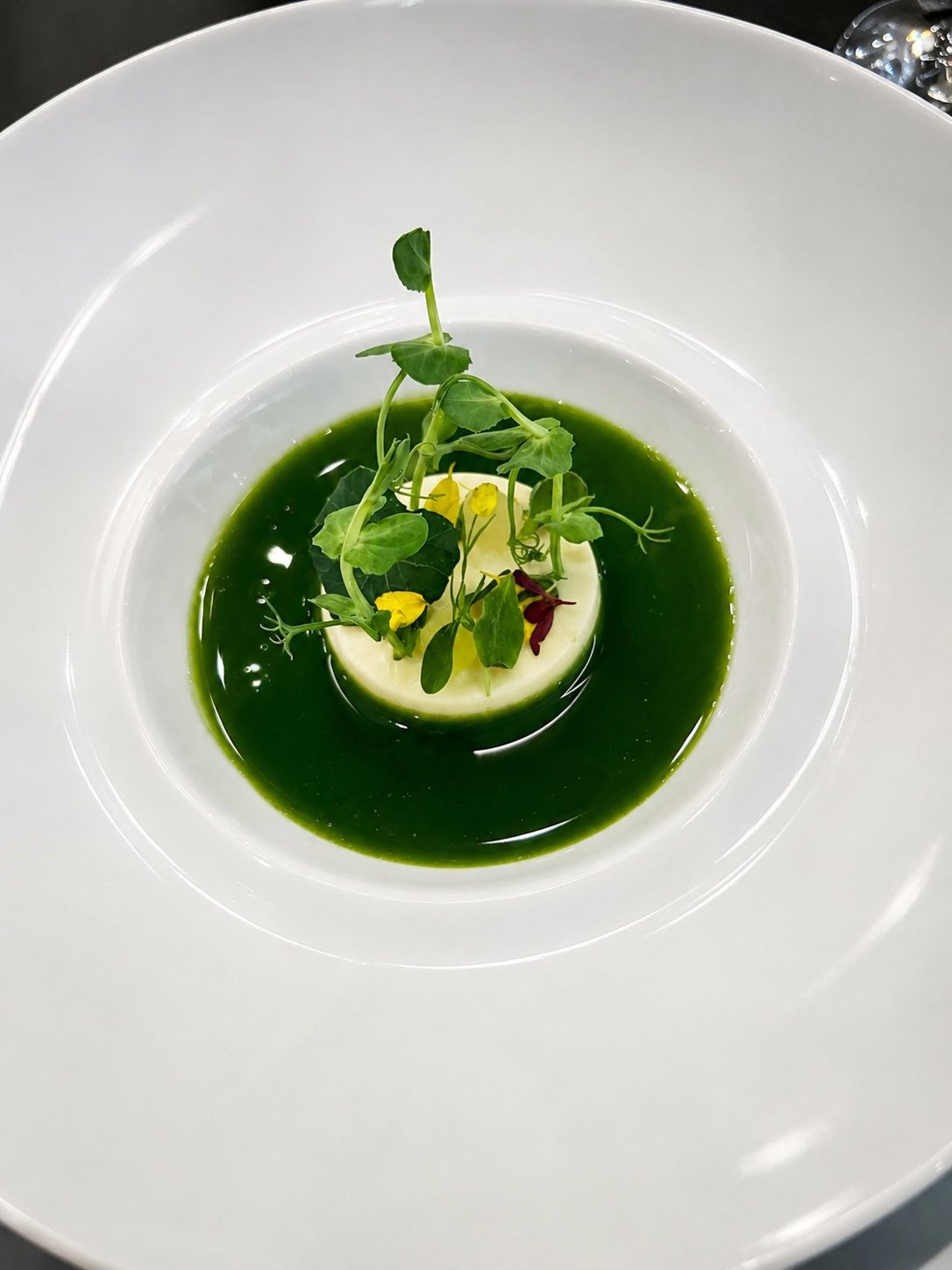
The “A Journey Through History” tasting menu is at the heart of Dinner by Heston Blumenthal’s culinary philosophy, taking guests on a journey through centuries of British gastronomy.
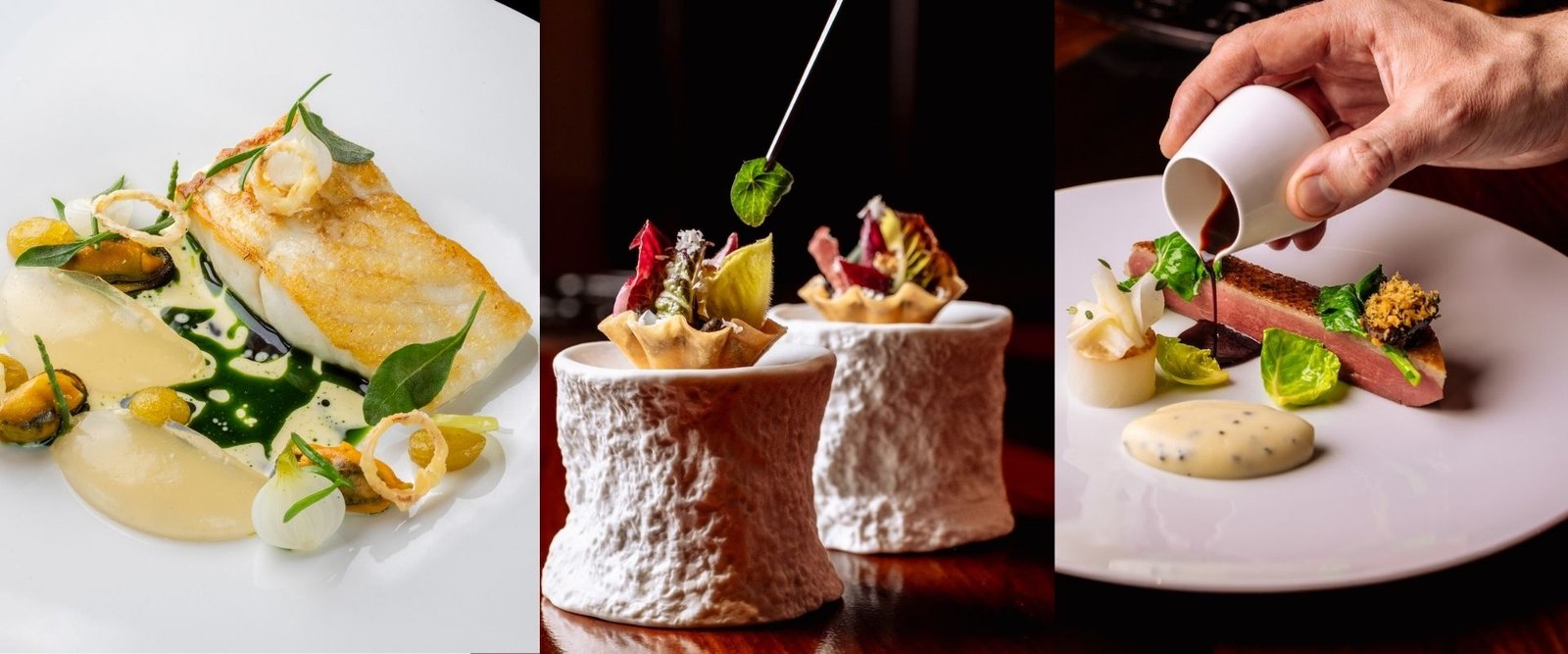
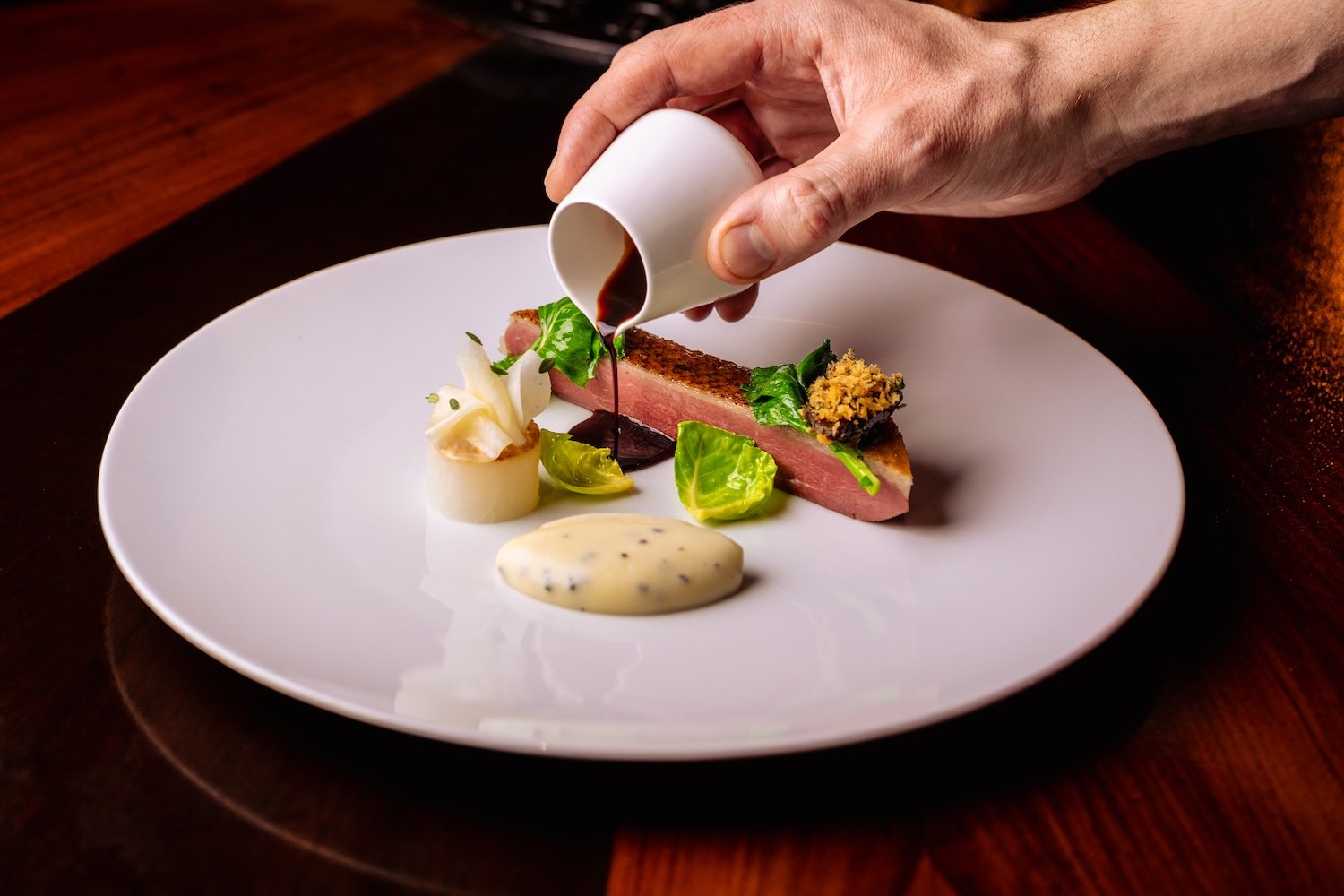
Among the creations currently featured on the menu are Joutes, Nettle Porridge and Powdered Duck, the latter inspired by a recipe dating to around 1670. While their origins may lie centuries in the past, the dishes are reinterpreted through modern techniques, precision and presentation, transforming historical ideas into something entirely contemporary.
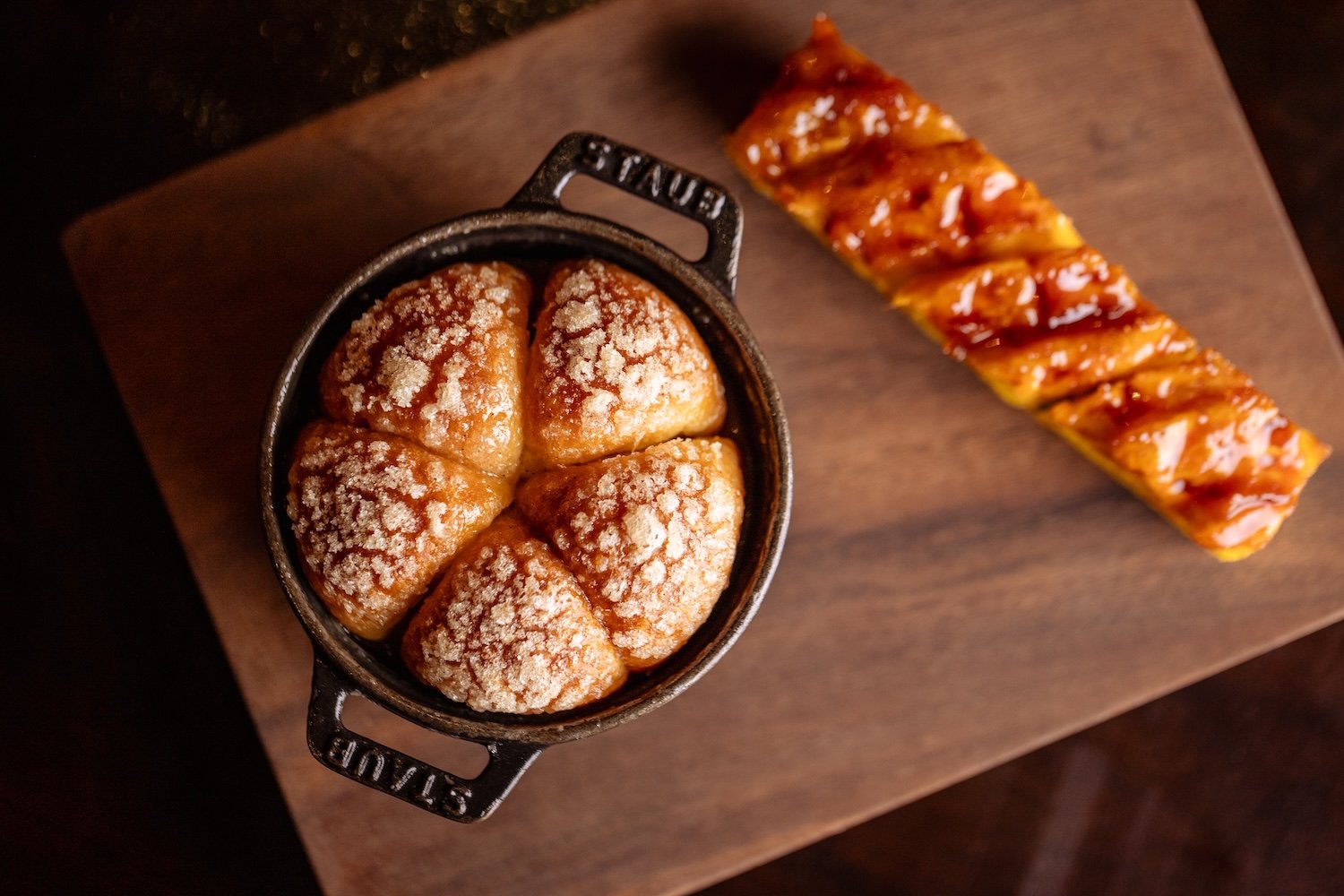
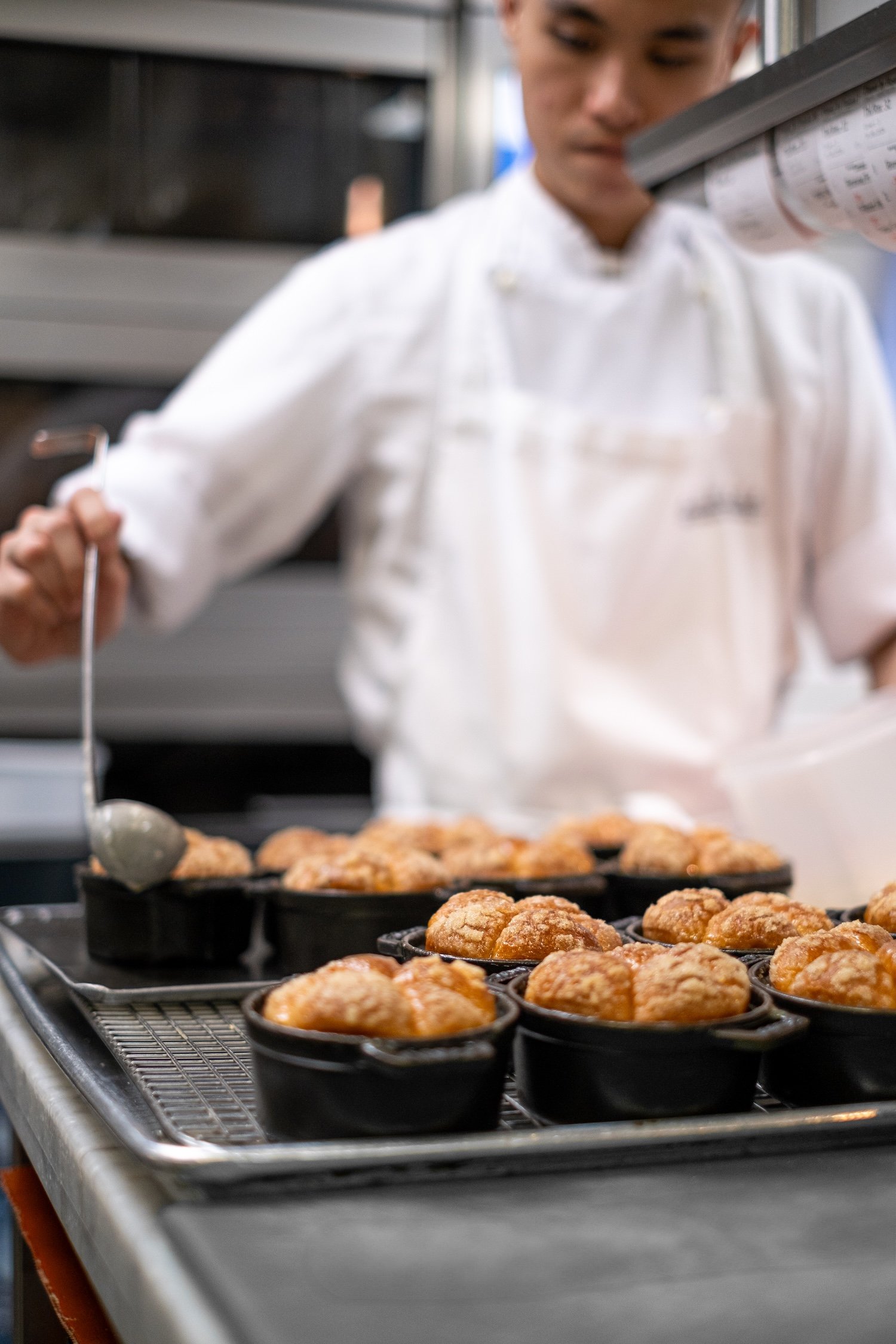
As the Meat Fruit is the restaurant’s most iconic savoury creation, Tipsy Cake is arguably its defining dessert. Inspired by an early 19th-century recipe, the dish centres on a warm, rich brioche-style cake served with spit-roasted pineapple. The pineapple is slowly roasted above the kitchen, turning on Dinner’s distinctive pulley system as it caramelises and develops an intensely concentrated sweetness.
Together, these dishes demonstrate what Dinner does best: taking culinary ideas from the past and giving them a new life.
Service and the Story Behind Each Dish
At Dinner, service plays an important role in explaining the restaurant’s concept.
The dishes are not simply placed on the table; their historical origins and modern interpretations form part of the experience. Staff explain where a recipe originated, why a particular technique was used and how Blumenthal’s kitchen has transformed the original idea.
This storytelling adds another dimension to the meal. For a restaurant built around culinary history, understanding the story behind a dish makes the food more meaningful. The year attached to each creation is not merely a decorative detail; it gives the diner a sense of where the dish sits within Britain’s broader gastronomic timeline.
Conclusion
Dinner by Heston Blumenthal is ultimately a celebration of Britain’s culinary past viewed through the lens of contemporary fine dining.
Its greatest achievement is not simply recreating forgotten recipes, but demonstrating that history can be a source of creativity. A 500-year-old idea can become a modern dish; a familiar ingredient can take on an entirely unexpected form; and a recipe from an old manuscript can inspire an experience that feels completely relevant today.
From the unmistakable Meat Fruit to the theatrical preparation of Tipsy Cake, Dinner constantly plays with the relationship between expectation and reality.
For more exclusive dining destinations and unforgettable culinary experiences, explore our Hype Gourmet section dedicated to the world of fine dining.