

Gofio Madrid | A Modern Journey Through the Flavours of the Canary Islands
In the centre of Madrid, just steps from Gran Vía, Gofio offers something increasingly rare in contemporary gastronomy: a restaurant with a deeply defined identity. Led by Tenerife-born chef Safe Cruz and Aída González, Gofio takes the flavours, ingredients and traditions of the Canary Islands and translates them into an ambitious modern tasting experience.
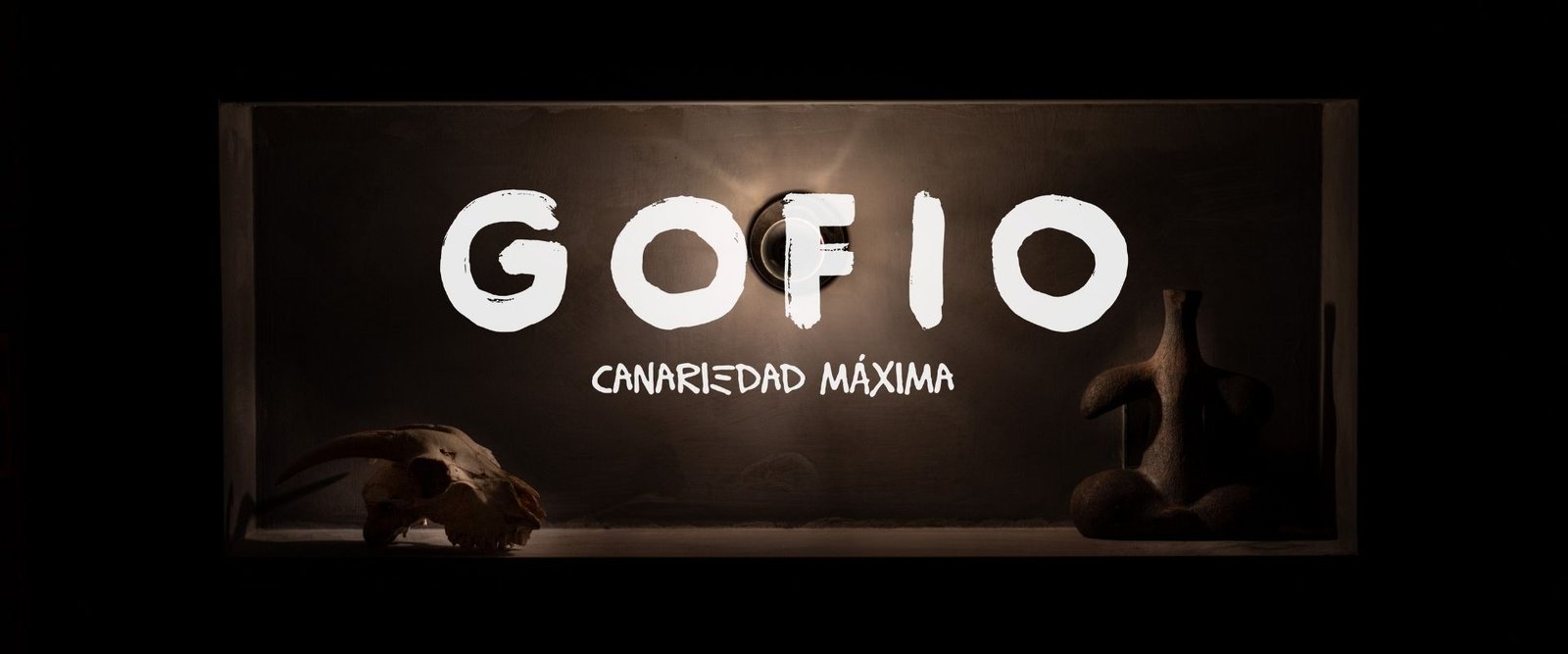
The restaurant has earned one Michelin star and two Repsol Suns, recognition that reflects its distinctive approach to Canarian cuisine. Rather than reproducing familiar island dishes in their traditional form, Gofio explores the culinary heritage of the archipelago through contemporary technique, unexpected textures and carefully sourced ingredients. Its own philosophy is summed up in two words: “Canariedad Máxima.”
Bringing the Canary Islands to Madrid
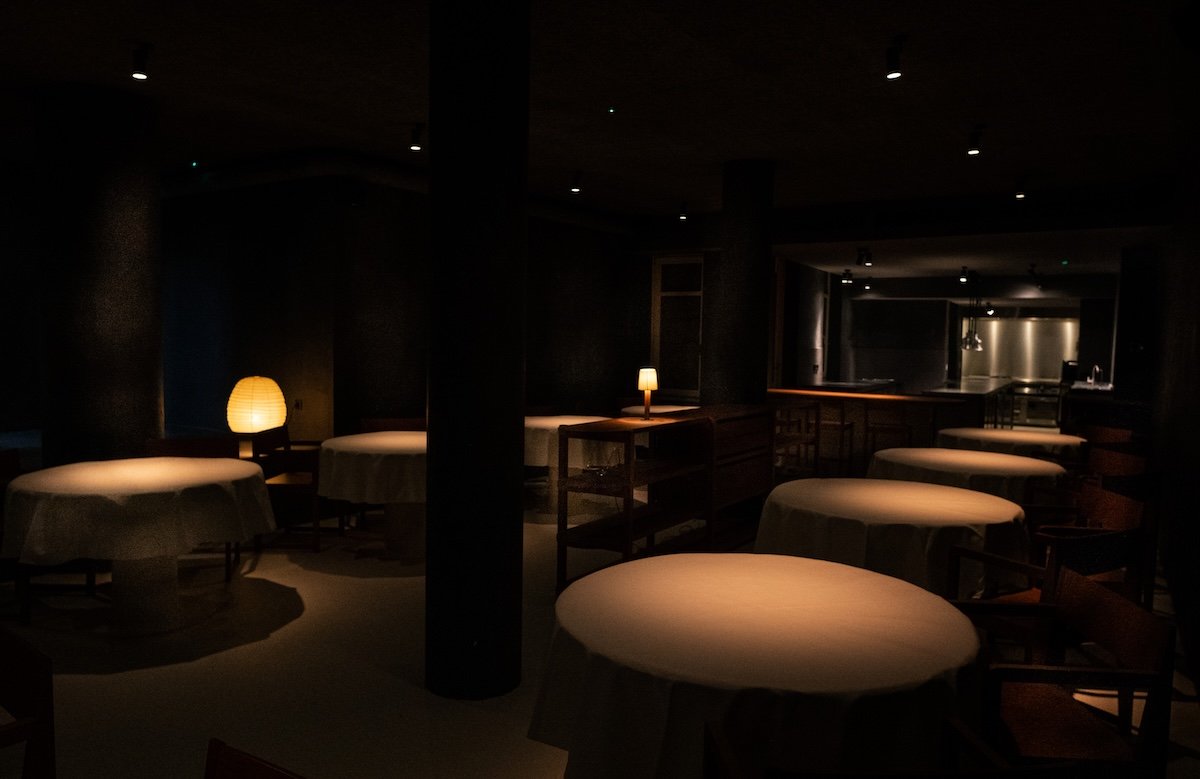
Gofio began in Madrid’s Barrio de las Letras in 2015. In 2024, the restaurant entered a new chapter, moving to Calle del Caballero de Gracia, 20, close to Gran Vía, into a significantly larger space designed around its evolving culinary ambitions. The new restaurant occupies more than 300 square metres across two floors, although the dining experience remains deliberately intimate, with only around 20 guests accommodated per service.
The move gave Safe Cruz greater freedom to develop the cuisine while retaining the philosophy that has defined Gofio since its beginning: to present an authentic and contemporary vision of the Canary Islands.
As Cruz and González have explained, the restaurant is not trying to invent a new Canarian cuisine. Instead, it seeks to rediscover and reinterpret the food they grew up with, the recipes, ingredients and everyday traditions found in Canarian homes.
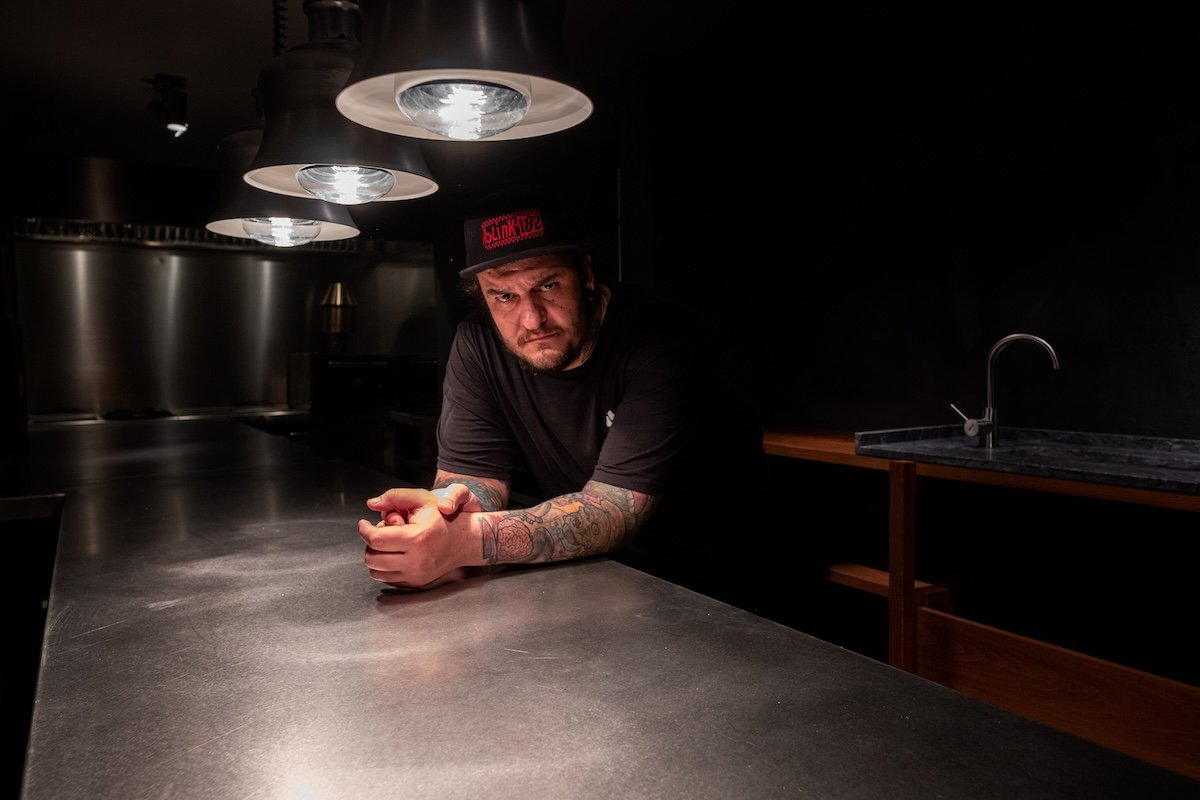
Chef Safe Cruz
Safe Cruz was born in Tenerife and grew up surrounded by agriculture and traditional Canarian cooking. His family comes from El Tablero and has worked in the primary sector for generations, giving him an early connection to the ingredients and culinary traditions that would later become the foundation of Gofio.
After training at the Basque Culinary Center and gaining experience in different kitchens across Europe and Spain, Cruz returned to the flavours of his childhood with a clear objective: to introduce a wider audience to the culinary richness of the Canary Islands.
At Gofio, that connection remains particularly personal. The restaurant’s cuisine draws on ingredients such as millo (corn), potatoes, Canarian cheeses, goat’s milk, bananas, chochos (lupins), peppers and the spices and herbs characteristic of the islands. Traditional preparations and flavours become starting points for dishes that are considerably more refined and technically elaborate than their rustic origins might suggest.
Canariedad Máxima: A Tasting Menu Without Stereotypes
The central idea behind Gofio’s cuisine is simple but ambitious: show diners what the Canary Islands taste like when tradition is given room to evolve.
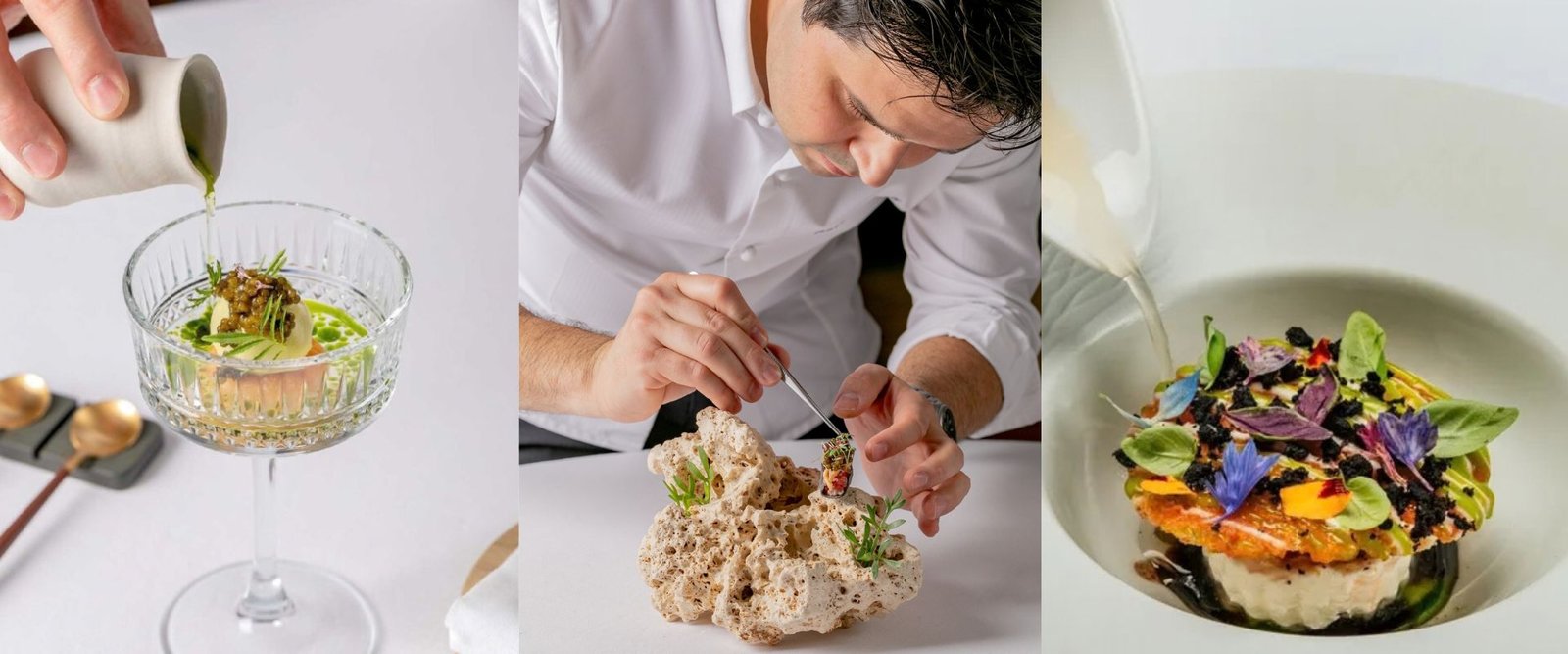
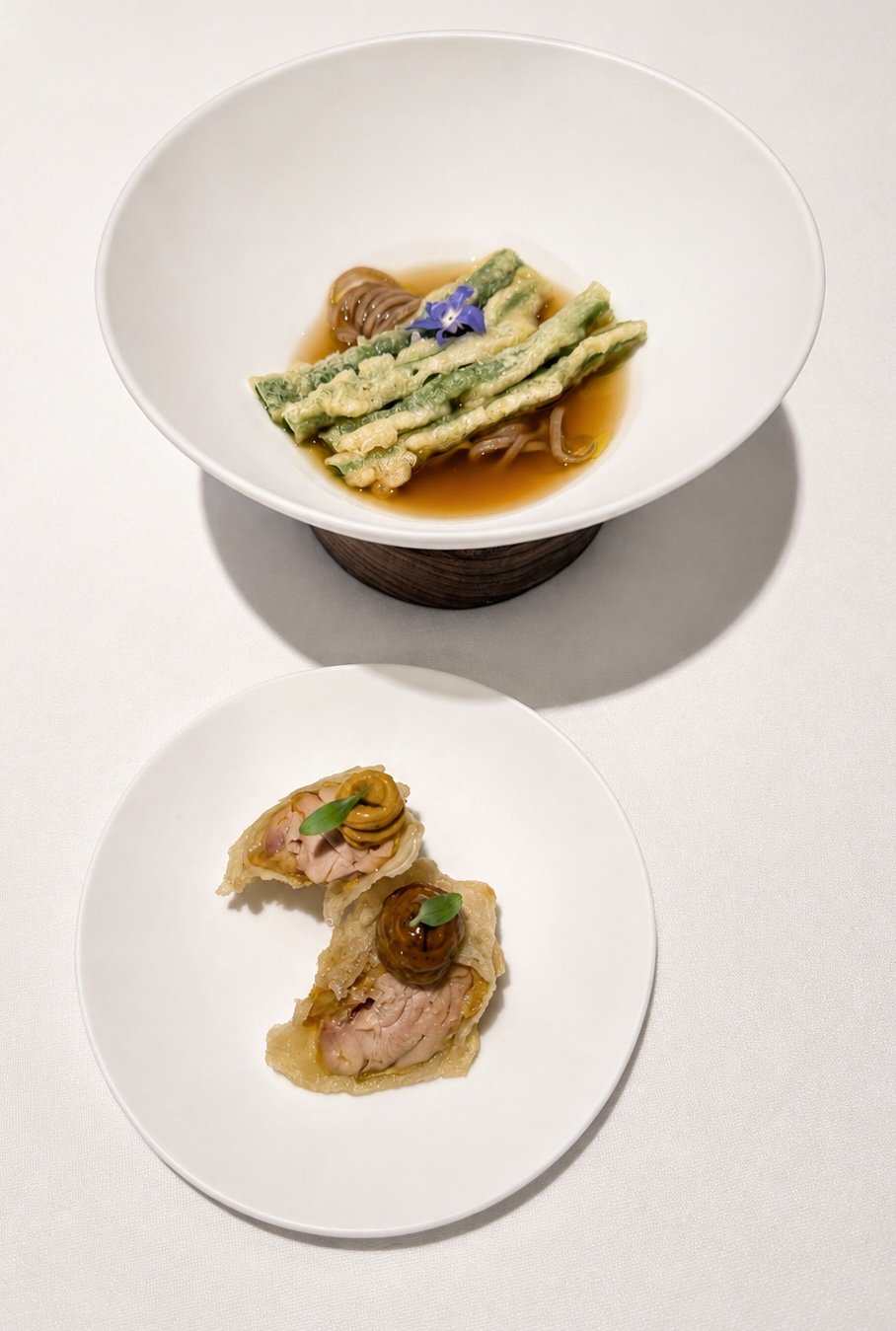
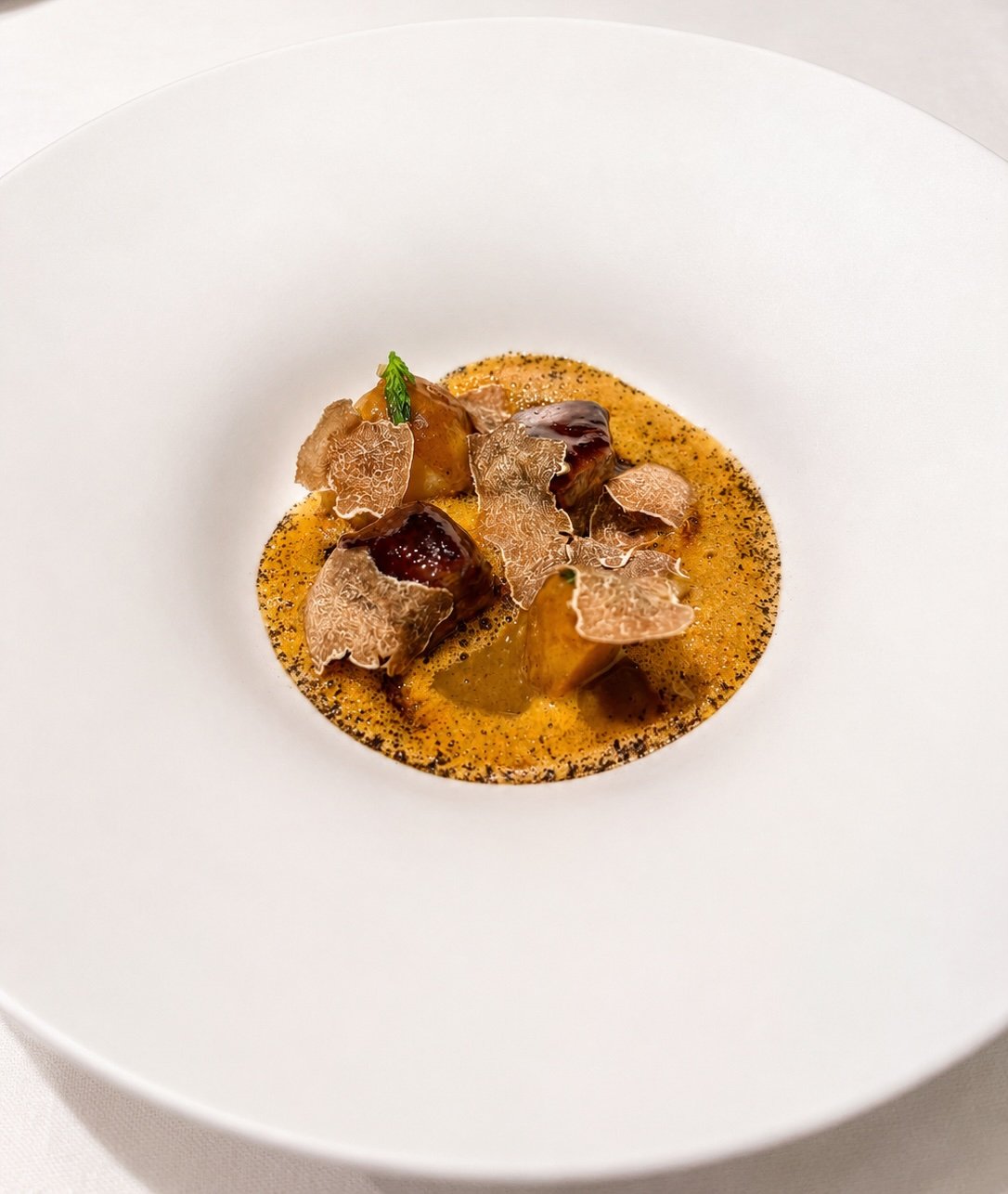
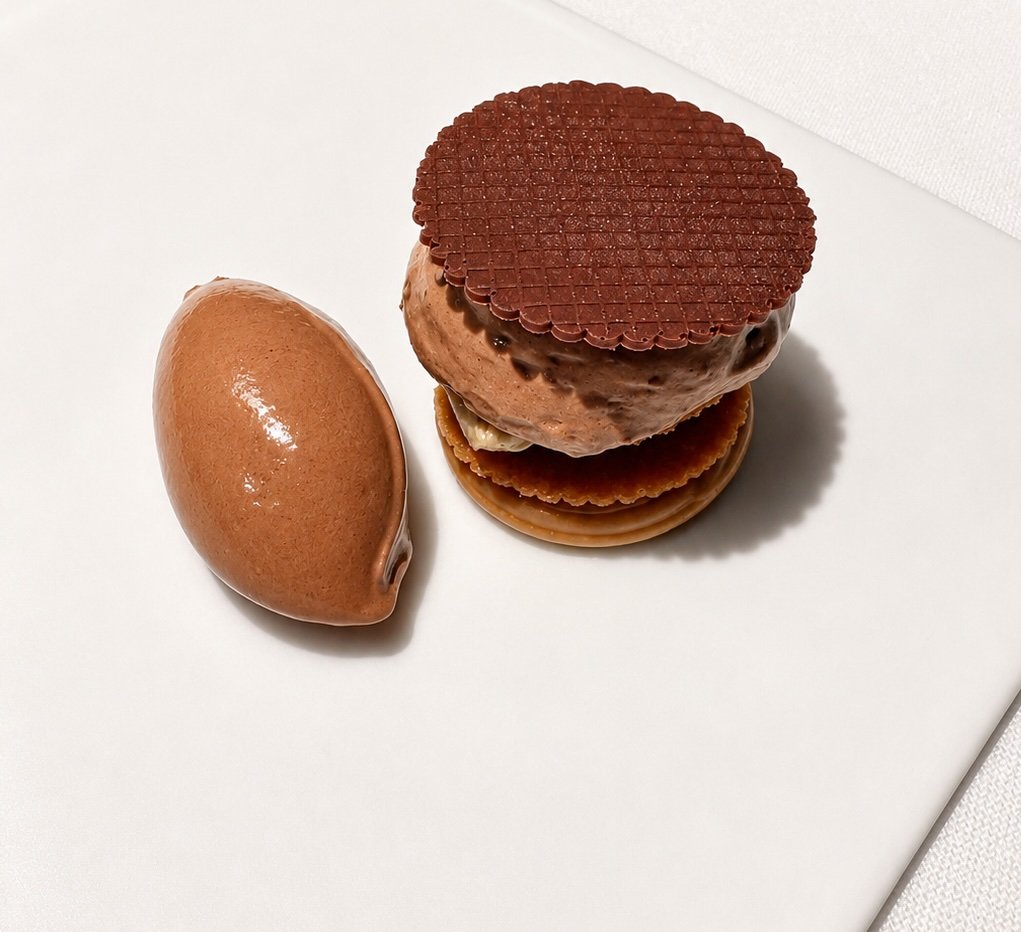
The tasting menus take guests through a succession of small, carefully constructed dishes inspired by the islands. Familiar references appear in unexpected forms, creating moments of recognition alongside genuine surprise.
A traditional papas con mojo, for example, can be reimagined through modern technique, while almogrote, sancocho, ropa vieja and other elements of the Canarian culinary vocabulary become ingredients in a much broader gastronomic narrative.
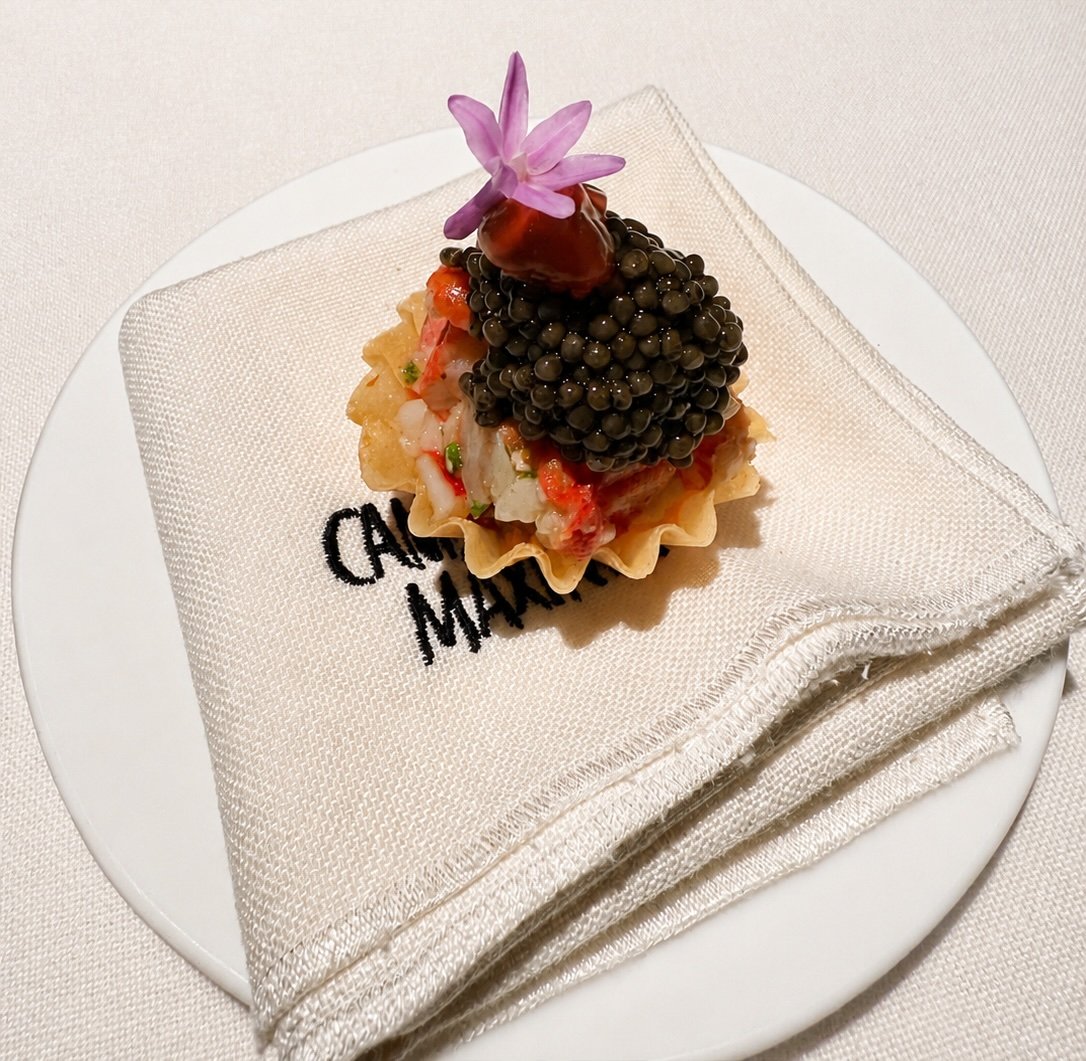
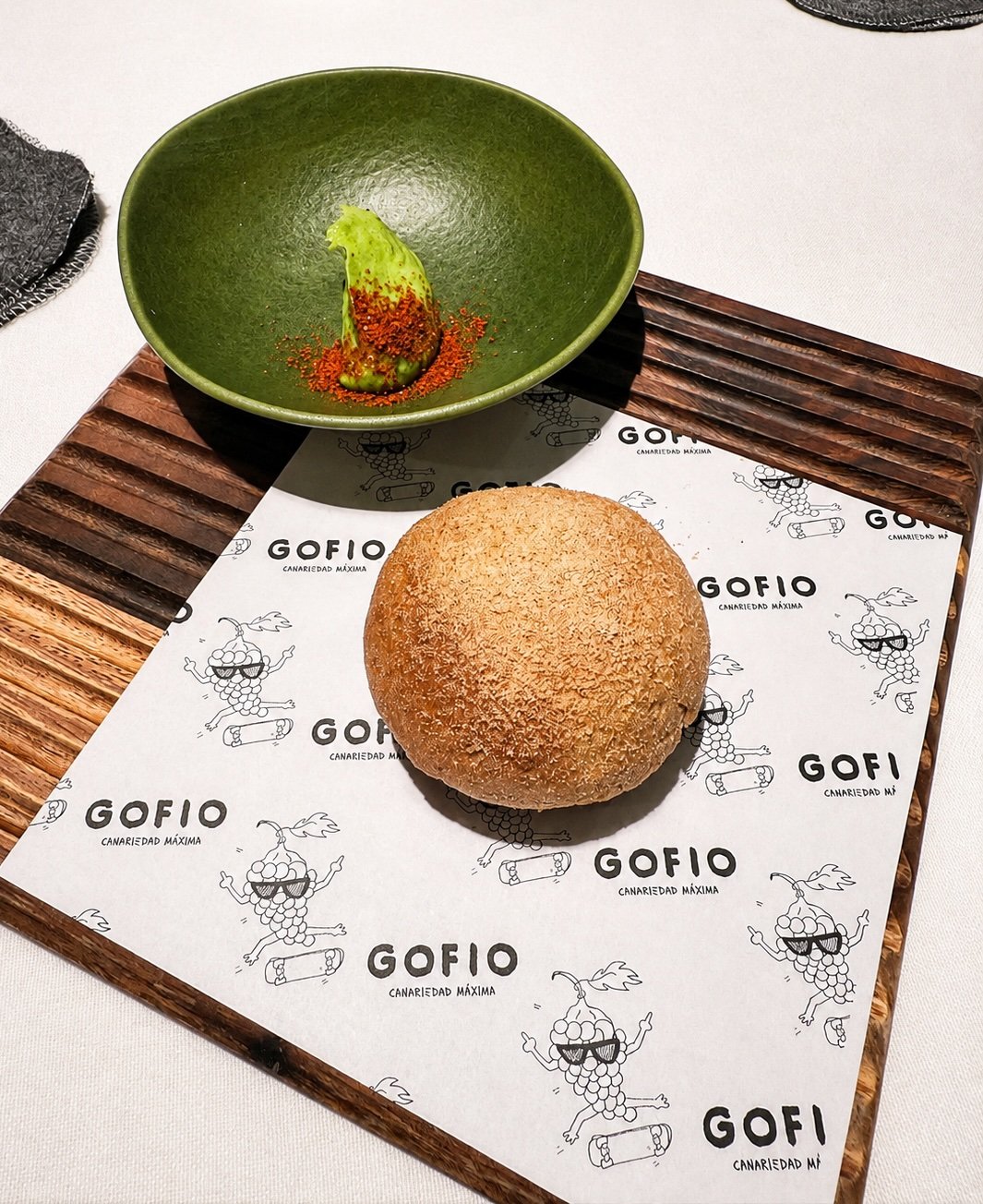
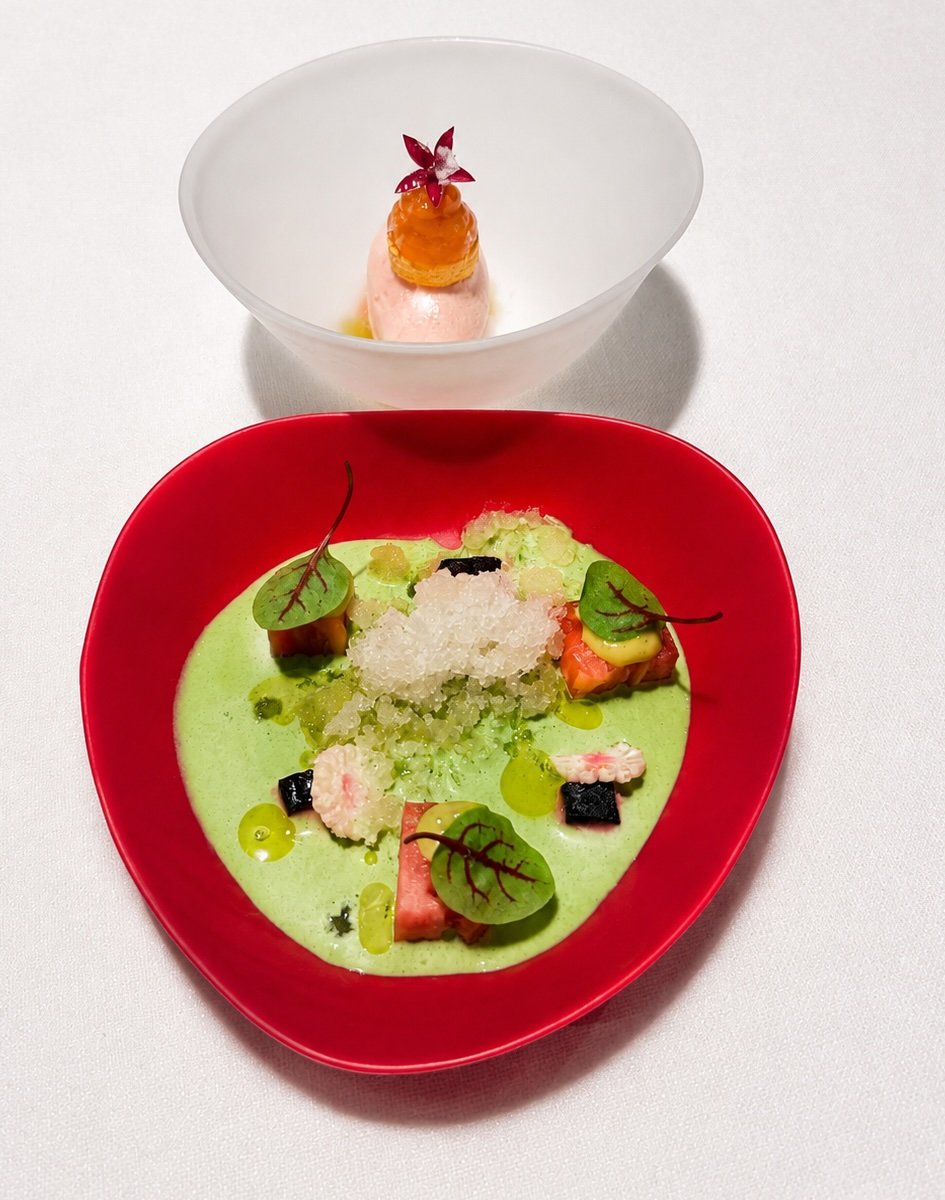
The restaurant’s menus have included creations such as a Gofio millet roll filled with shredded beef and spicy avocado mojo, Canarian salad with tomato, beetroot and lemon-thyme granita, white prawns accompanied by a mojo made from their own heads, and lobster preparations elevated with caviar.
One of the pleasures of Gofio is the way these dishes constantly move between the familiar and the unexpected. A flavour may immediately evoke the islands, but its texture, presentation or combination with another ingredient can take it somewhere entirely new.
The Importance of Mojo
Few elements are more closely associated with Canarian cooking than mojo, and at Gofio it becomes a particularly versatile tool.
Rather than treating mojo as a single fixed sauce, the kitchen explores its possibilities through different ingredients and techniques. Green mojo, red mojo and more inventive variations can accompany seafood, vegetables and meat, with versions incorporating ingredients such as pistachios, almonds or even gochujang.
The approach is characteristic of Gofio as a whole. Traditional flavours are not abandoned; they are examined, refined and sometimes completely reinterpreted.
A Celebration of Canarian Produce
The restaurant’s commitment to the Canary Islands extends beyond recipes. Produce is at the heart of the experience, with ingredients sourced from the islands and used to communicate their geographical and cultural identity.
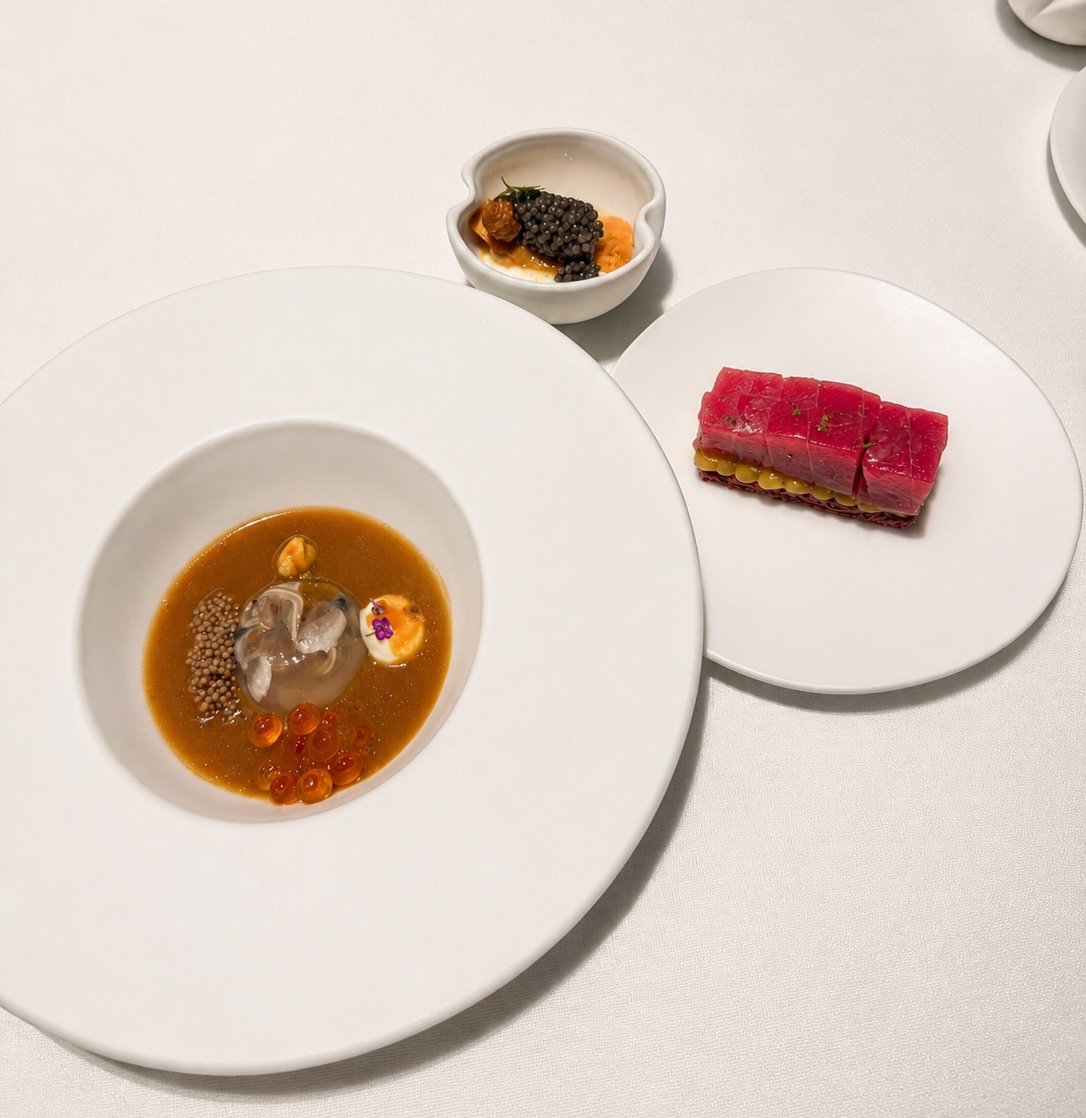
Seafood naturally plays an important role, reflecting the archipelago’s relationship with the Atlantic. Fish, prawns, tuna and other seafood appear throughout the menus, alongside vegetables, potatoes, corn, fruits, cheeses and meats.
The result is a cuisine that can feel simultaneously maritime, volcanic and rural. There is the freshness of the Atlantic, the mineral character of volcanic landscapes and the comforting influence of traditional home cooking.
This emphasis on local ingredients is also reflected in the restaurant’s drinks programme. Gofio has built a particularly strong relationship with Canarian wine producers, with the majority of its wine list dedicated to wines from the islands.
An Intimate Dining Room
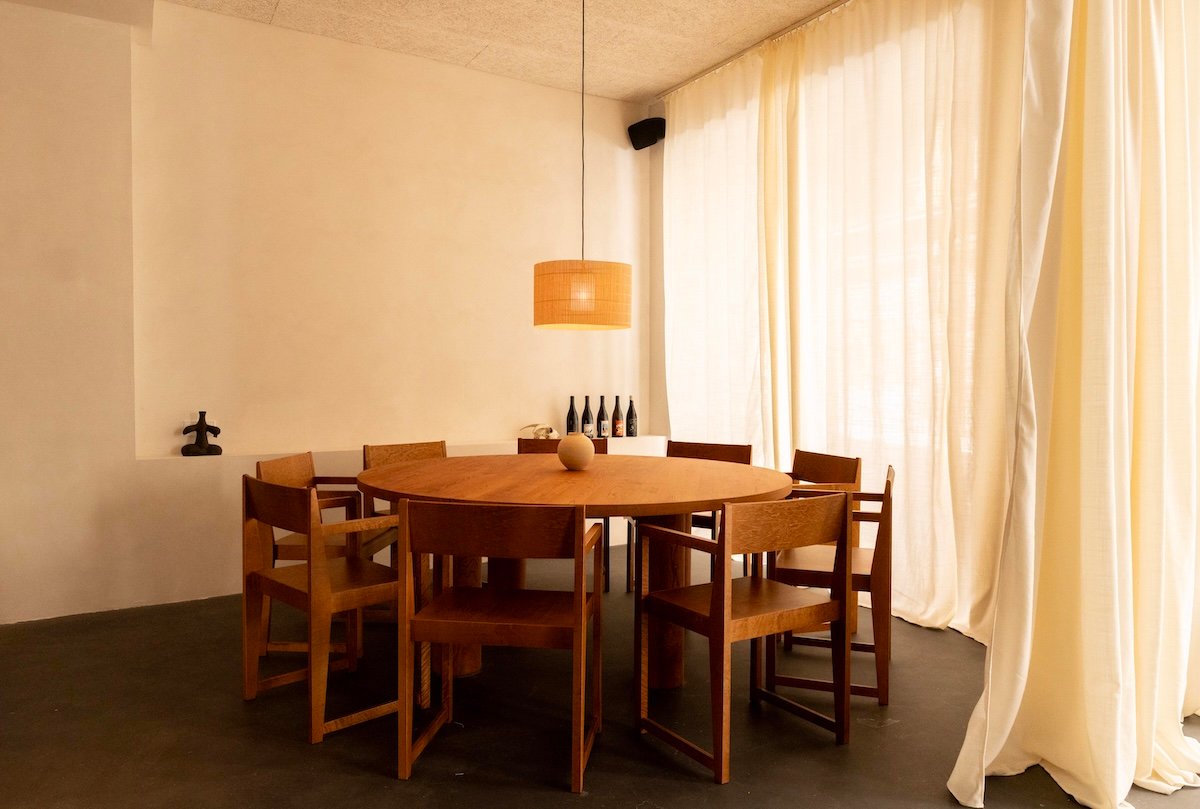
The new Gofio occupies a space that is very different from the restaurant’s original, more modest location, but the intimate character has remained.
The design takes inspiration from the landscapes, colours and architecture of the Canary Islands, with natural materials and different textures creating a subtle connection to the archipelago. The interior was designed by Plantea and incorporates references to the work of renowned Canarian architect César Manrique.
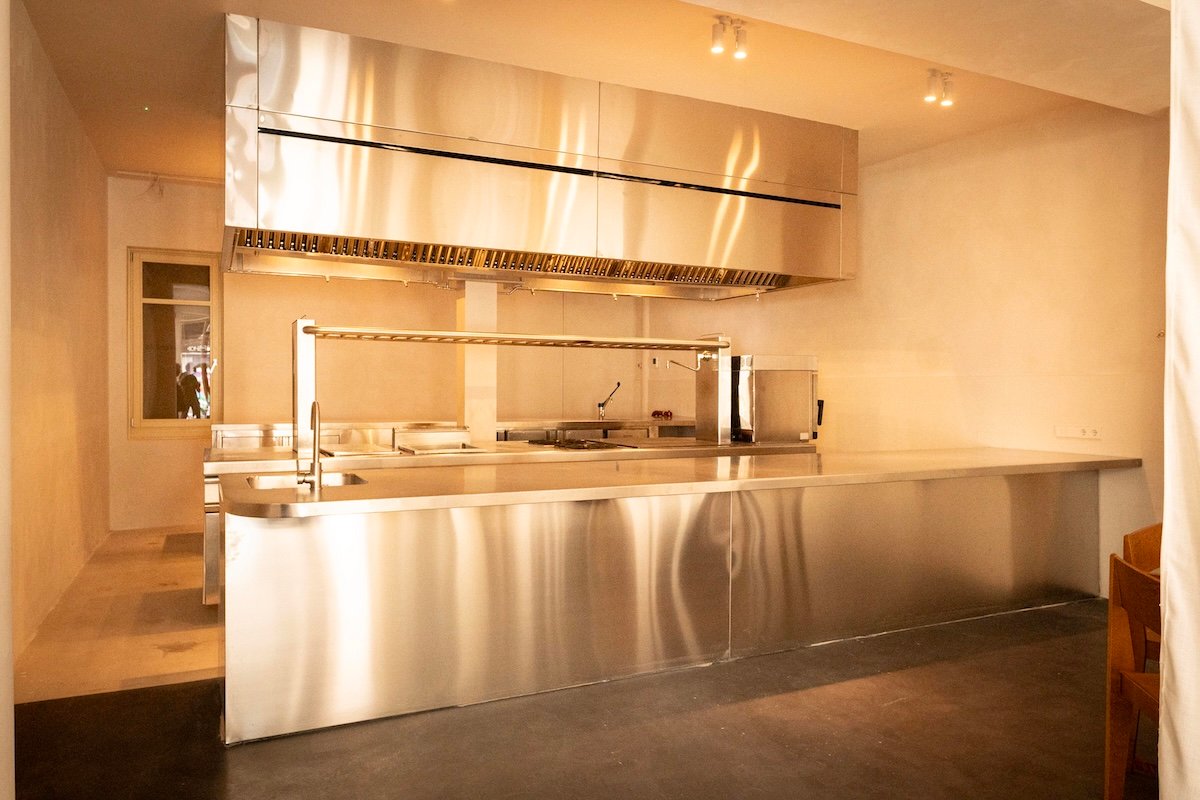
The main dining room is located on the lower level and incorporates an open kitchen, allowing guests to see elements of the cooking and finishing process. The atmosphere is understated rather than theatrical, allowing the food and service to remain at the centre of the experience.
A Culinary Portrait of the Canary Islands
Gofio’s greatest achievement may be that it makes Canarian cuisine feel both deeply authentic and completely relevant to contemporary fine dining. Safe Cruz and Aída González have created a restaurant that acts almost as a culinary ambassador for the Canary Islands, introducing diners to ingredients, flavours and traditions that remain relatively underrepresented in Spain’s fine-dining landscape.
The restaurant’s philosophy is perhaps best understood through its own expression, “Canariedad Máxima” — maximum Canarian identity. Every part of the experience, from the food and wine to the hospitality and design, reinforces that idea.
Conclusion
Gofio is ultimately much more than a Michelin-starred restaurant serving Canarian cuisine in Madrid. It is a deeply personal expression of where Safe Cruz comes from and an ambitious attempt to show just how sophisticated, diverse and fascinating the cuisine of the Canary Islands can be.
The experience succeeds because it never loses sight of its roots. Beneath the precise techniques, elaborate presentations and tasting-menu format are the flavours of home: potatoes, corn, mojo, seafood, goat, cheese, fruit and the ingredients that have shaped Canarian cooking for generations.
For diners who already know the Canary Islands, Gofio offers a new way of understanding their cuisine. For those who have never visited, it provides something equally compelling, a culinary journey to the islands without leaving Madrid.
For more exclusive dining destinations and unforgettable culinary experiences, explore our Hype Gourmet section dedicated to the world of fine dining.